Fetal lipid levels are normally low but can rise with maternal dyslipidemia, infection, or after birth. How immature organs respond to early lipid exposure isn’t well understood.
In this study, we infused Intralipid into fetal sheep from 85 to 97 days of gestation (term = 147 days) to see how premature elevations in circulating lipids affect fetal physiology and development.
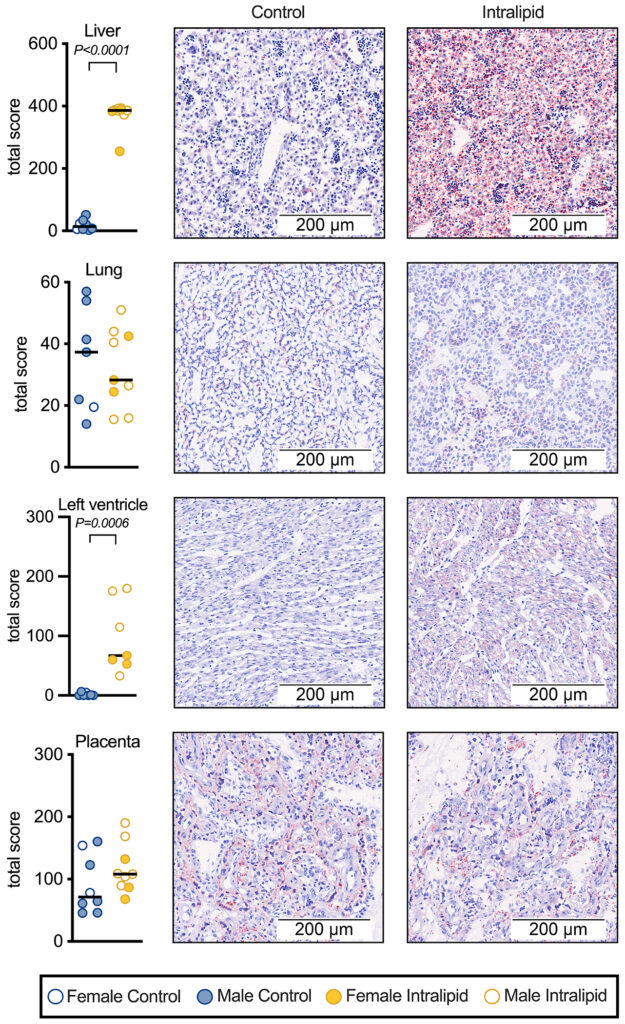
Postdoc scholar Neeka Barooni describes in this manuscript how fetuses tolerated the lipid infusion without major cardiovascular changes. However, lipids accumulated in the liver and heart, and we observed signs of altered metabolism.
These findings help us understand how the fetus responds to nutrient excess and may inform how we care for compromised pregnancies and preterm infants.
Find this paper on Pubmed and Clinical Science.