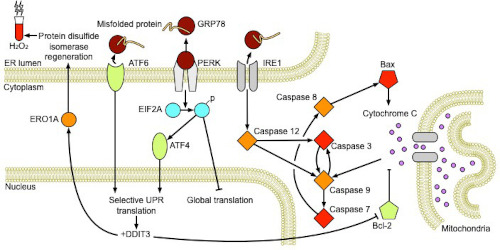
Most cardiomyocytes, the muscle cells that pump blood, are formed during fetal development and typically last a lifetime. Surprisingly, many of these cells undergo programmed cell death around the time of birth, reducing the total number of cardiomyocytes. The exact reasons behind this natural cell loss remain unclear, but our research points to the endoplasmic reticulum (ER) stress pathway as a key player.
The ER stress response is a cellular mechanism that helps heart cells manage stress, such as oxidative damage, by activating protective pathways or, in some cases, cell death pathways. Changes in this response around birth may tip the balance toward programmed cell death in cardiomyocytes.
It’s important to distribute the heart’s workload among many myocytes to reduce stress on each cell. Some people are born with fewer cardiomyocytes than normal, which can make them more vulnerable to diseases like hypertension later in life. By better understanding how the ER stress pathway influences cell loss during the perinatal period, we hope to develop strategies to protect heart cells and improve outcomes for at-risk individuals.
Find this paper at the American Journal of Physiology and on Pubmed.